|
Jr. National X-C Ski Trail 1968 to Mid 1970's |
|||||||||||||||||||||||||||
|
|||||||||||||||||||||||||||
|
~ PHOTOS ~
|
|||||||||||||||||||||||||||
|
|
|||||||||||||||||||||||||||
|
|
|||||||||||||||||||||||||||
|
|||||||||||||||||||||||||||
~ MAPS ~ |
|||||||||||||||||||||||||||
|
This large scale topo shows where the Jr. National X-C Ski Trail was located relative to Anchorage and Girdwood. (click on this map to expand it) |
|
||||||||||||||||||||||||||
|
A zoomed in topo view shows the general area of where the ski trails were located. The area of the trails was in the vicinity of what is now the Winner Creek Trail. The race trail extended from Moose Meadows up to Winner Creek and back. (click on this map to expand it) |
|
||||||||||||||||||||||||||
|
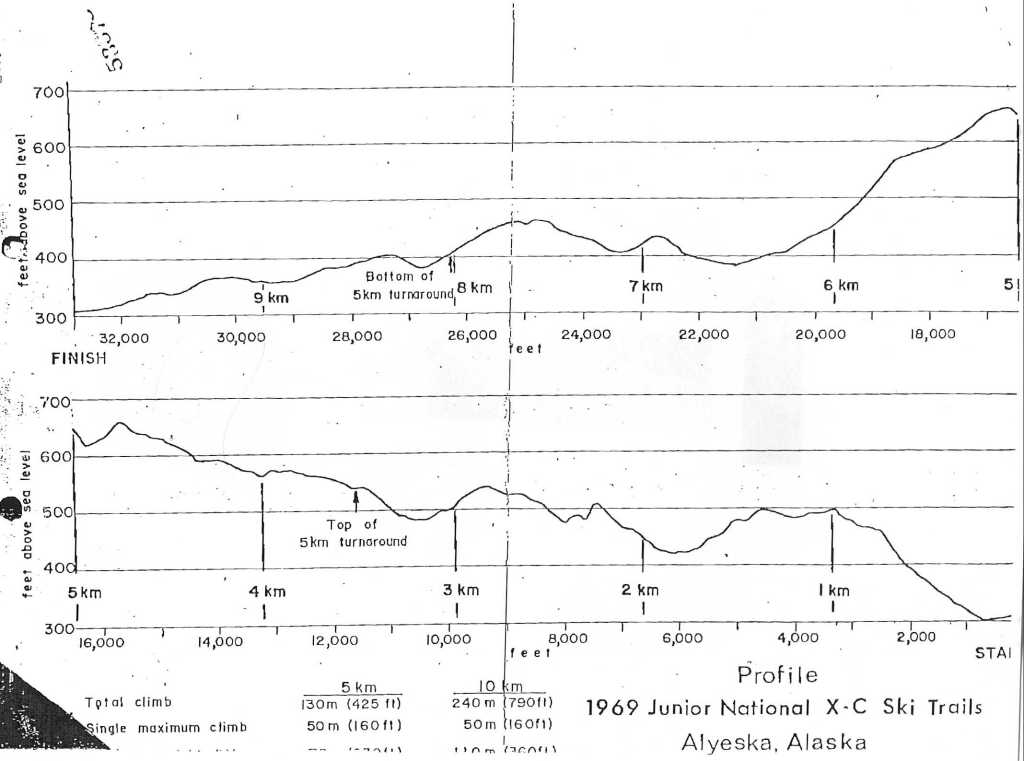
The following two images are from the 1969 Jr. Nationals competitors' information packets. On the left is the course map. For this web site the course was highlighted in red so it is more easily followed. On the right is the course profile. (click on these images to expand them) |
|||||||||||||||||||||||||||
 |
 |
||||||||||||||||||||||||||
|
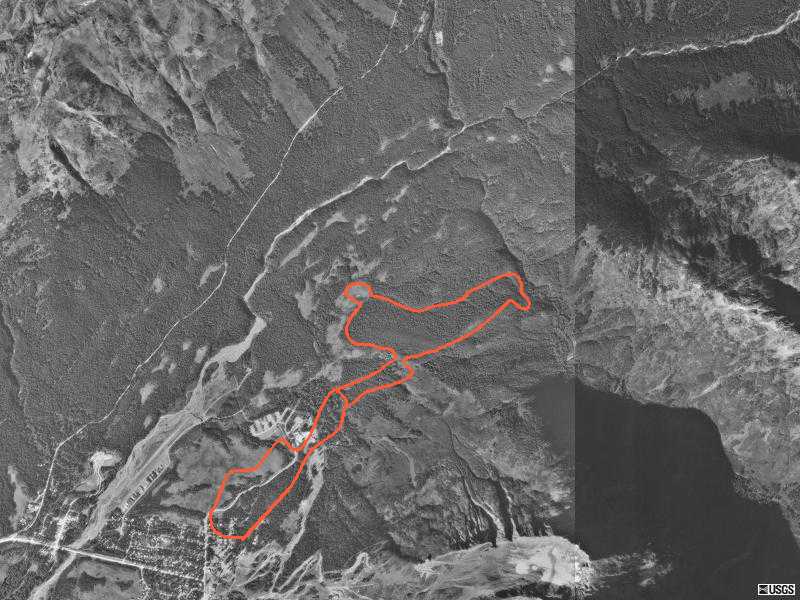
On this 1996 aerial
view of Girdwood the race trail has been estimated by the red
line. Note: this trail marking is a crude freehand "guesstimation"
of the location based on the above map. It is not accurate, but
will give one the general idea of the course layout.
(click on this image to expand it) |
 |
||||||||||||||||||||||||||
| Research Correspondence | |||||||||||||||||||||||||||
|
[Scott Banks - 15 March 2005 email excerpt]
Here's a short story about my
experience on the trail. I wasn't a skier, but a hockey player and good
friends with Dirk Bodnar, Bela's younger brother. We were up at Alyeska
working on clearing the trail--Bela's Dad, Andy, Dirk, and I think Lance
and the youngest boy. I was wielding a machete and caught Dirk in the
arm with my back swing and cut him pretty good. So it was a short
clearing session. We all piled back into their station wagon and drove
back to Anchorage where (I think) Dr. Mills sewed him up. Andy
wasn't very happy with me! |
|||||||||||||||||||||||||||
|
[April 4, 2004 Anchorage Daily News article by Craig Medred entitled "Nordic Trail in Girdwood Mostly a Memory"]
History dies young in Alaska. Skier Jim Renkert knows this all too well after a couple of years hunting for the Girdwood trail on which the 1969 Junior National Cross-Country Ski Championship was contested.
Renkert confessed he had been forced to come back in summer to find old tree or brush cuts, connecting some of the twists and turns in the snaking trail. This clearly wasn't a trail constructed to skate-technique standards, as most trails are now. Some of the uphills and downhills, though short, are steep enough to be challenging on a groomed trail. Some of the corners are sharp, unlike the wide, sweeping turns on the heavily used nordic trails at Kincaid Park. Trail width is narrow, more like a trail meant to be maintained by snowmobiles than with a Piston Bully.
|
|||||||||||||||||||||||||||
|
[ George "Joe" Hanson - 17 January 2007 email]
You may remember me, I
submitted some info on the Stuckagain ski area. |
|||||||||||||||||||||||||||
|
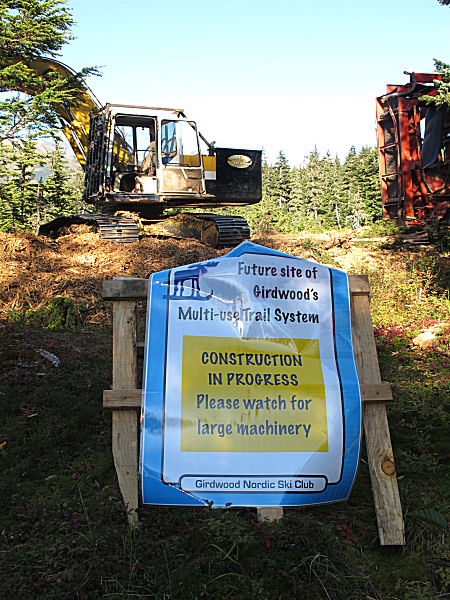
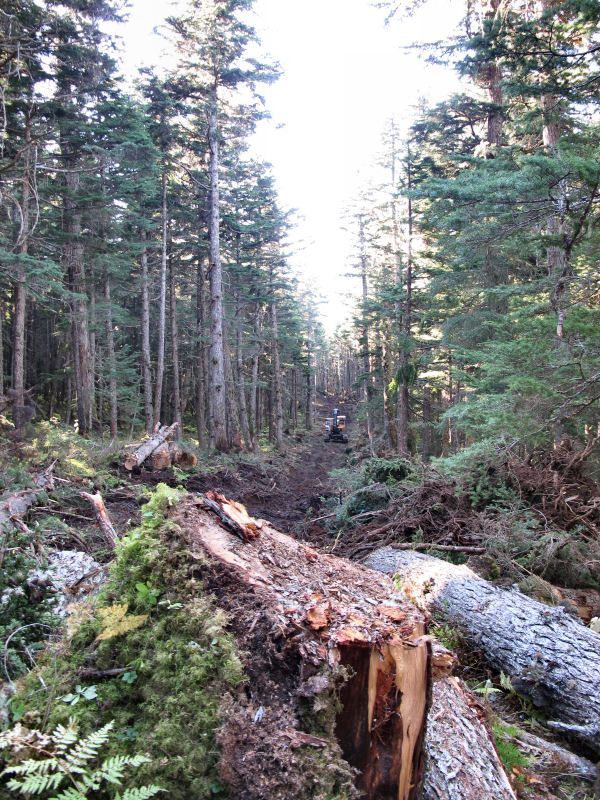
[ Turnagain Times, Karen Garcia - 16 September 2010] Girdwood Nordic Ski Club presses on with trail building project: Two new trails to be constructedBy Karen Garcia Since receiving approval from the Anchorage Assembly in early May,
the Girdwood Nordic Ski Club continues to press forward with the
developmental planning of a Nordic and multi-use loop trail system in
the upper Girdwood Valley.
|
|||||||||||||||||||||||||||
|
[ Deb Essex - 02 November 2010] As we continue to build trails in Girdwood,
Sally Burkholder provided me with a list of the original crew. Thought
you might want a copy. |
|||||||||||||||||||||||||||
|
|
|
||||||||||||||||||||||||||
|
Do you have further information, stories or pictures that you would like to contribute about this ski area? |
|||||||||||||||||||||||||||
|
|
|
||||||||||||||||||||||||||
|
|
|||||||||||||||||||||||||||
_resize.jpg)